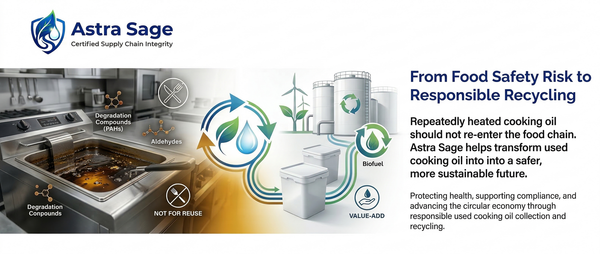
The Hidden Danger in Your Fryer: Why Reusing Cooking Oil Is Costing You More Than You Think
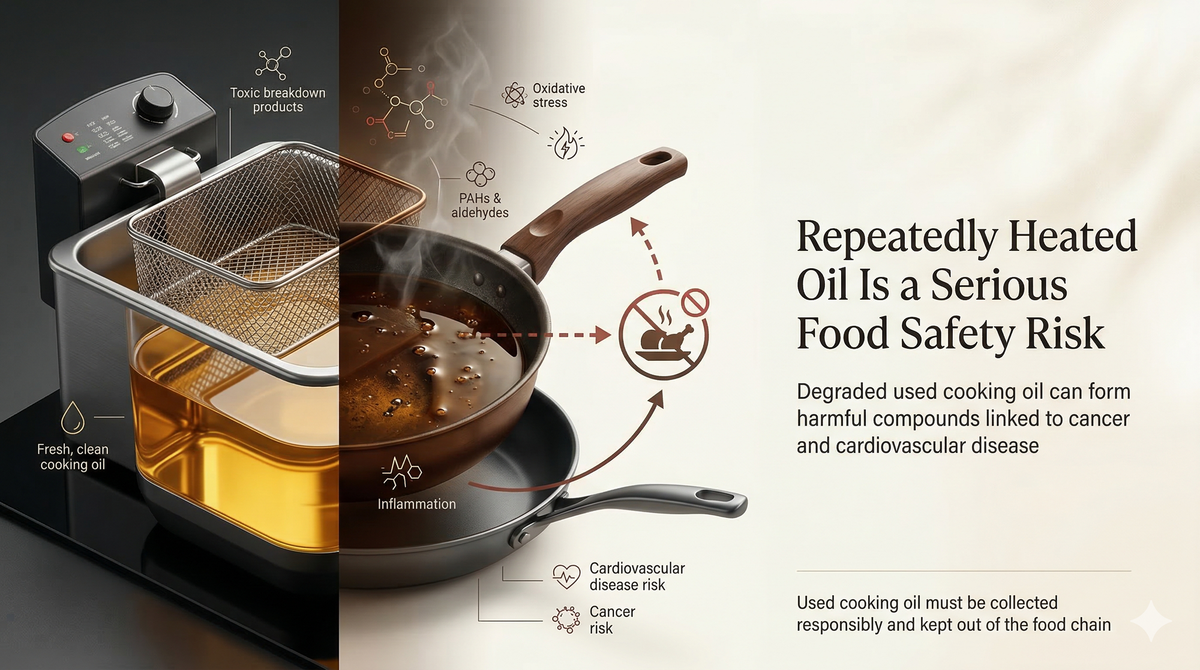
Every restaurant in the Philippines knows the drill: fry, top up with a little fresh oil, fry again, repeat. It feels like smart economics — stretching every peso out of your cooking oil. But the science tells a very different story. Every frying cycle silently transforms your oil into a cocktail of harmful chemicals that damage your food, your customers' health, and ultimately your business. This article explains exactly what happens inside your fryer, why it matters, and what the smarter alternative looks like.
01 How Repeated Frying Degrades Your Cooking Oil
When cooking oil is heated to frying temperatures (typically 160°C–190°C), it doesn't just transfer heat to your food — it undergoes a cascade of destructive chemical reactions. These reactions intensify with every single frying cycle. The three primary degradation processes are:
Oxidation: Exposure to air causes the fatty acids in the oil to react with oxygen, producing harmful compounds called lipid oxidation products (LOPs) — including aldehydes, ketones, and peroxides. Polyunsaturated fatty acids are especially vulnerable, oxidizing up to 25 times faster than monounsaturated fatty acids.
Hydrolysis: Water released from the food being fried reacts with the triglyceride molecules in the oil, breaking them apart into free fatty acids (FFAs) and glycerol. The glycerol is then rapidly converted into acrolein — the toxic compound responsible for the acrid blue smoke you see rising from overheated oil. Research has shown acrolein can form at temperatures as low as 180°C.
Polymerization: Degraded fatty acid molecules bond together to form large, gummy polymer chains. This is what makes overused oil thick, viscous, and dark. These polymerized compounds are poorly digested by the human body and contribute to the formation of toxic polar compounds.
⚠ Key Fact
With each frying cycle, the concentration of polar compounds, free fatty acids, and toxic aldehydes in your oil increases cumulatively. There is no way to reverse this degradation. Topping up with fresh oil only dilutes the problem temporarily — the harmful compounds remain and continue to build up.
02 What Are Free Fatty Acids (FFA)?
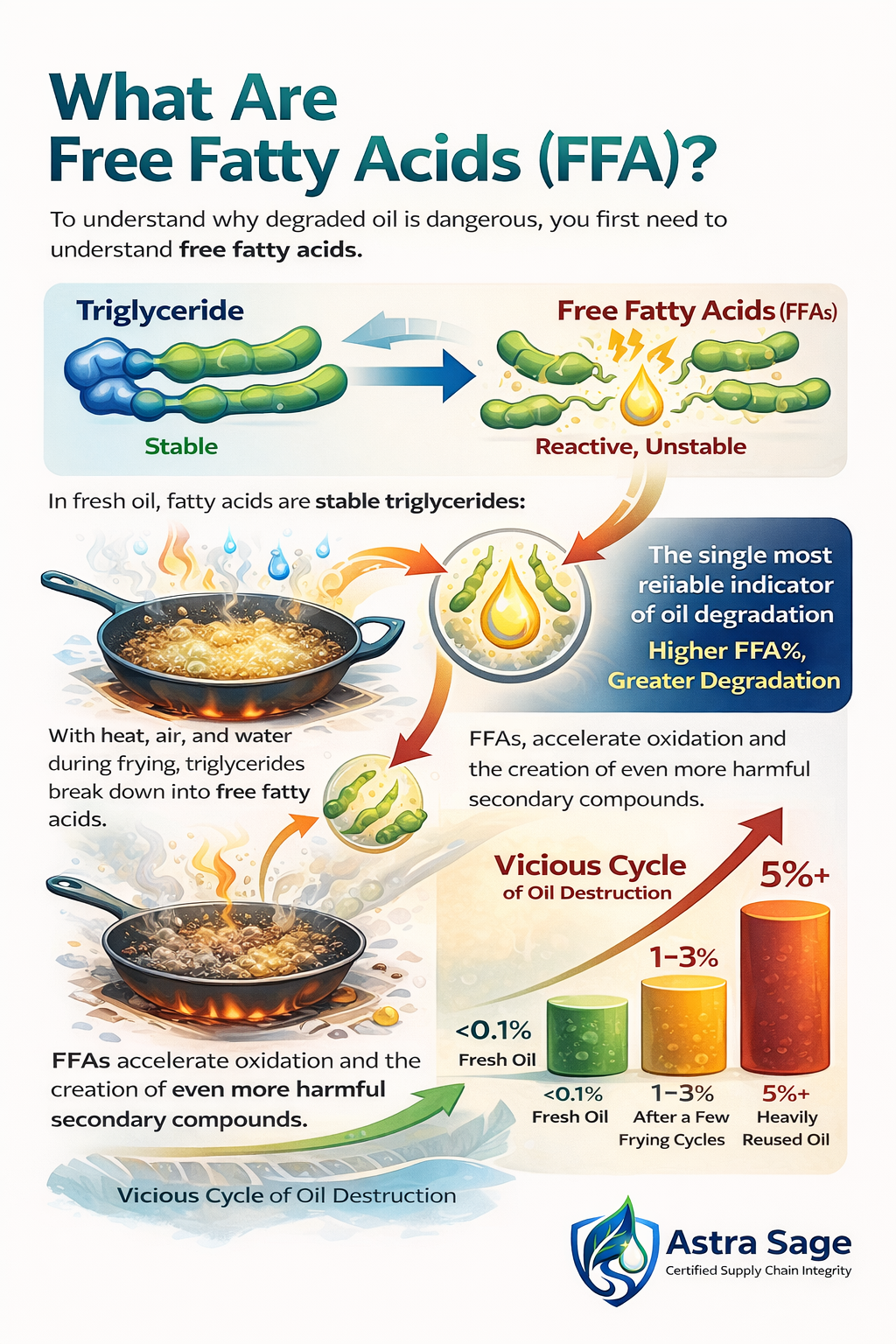
To understand why degraded oil is dangerous, you first need to understand free fatty acids. In fresh cooking oil, fatty acids are bonded together in groups of three, attached to a glycerol backbone — these structures are called triglycerides. Triglycerides are stable, safe, and what give oil its useful cooking properties.
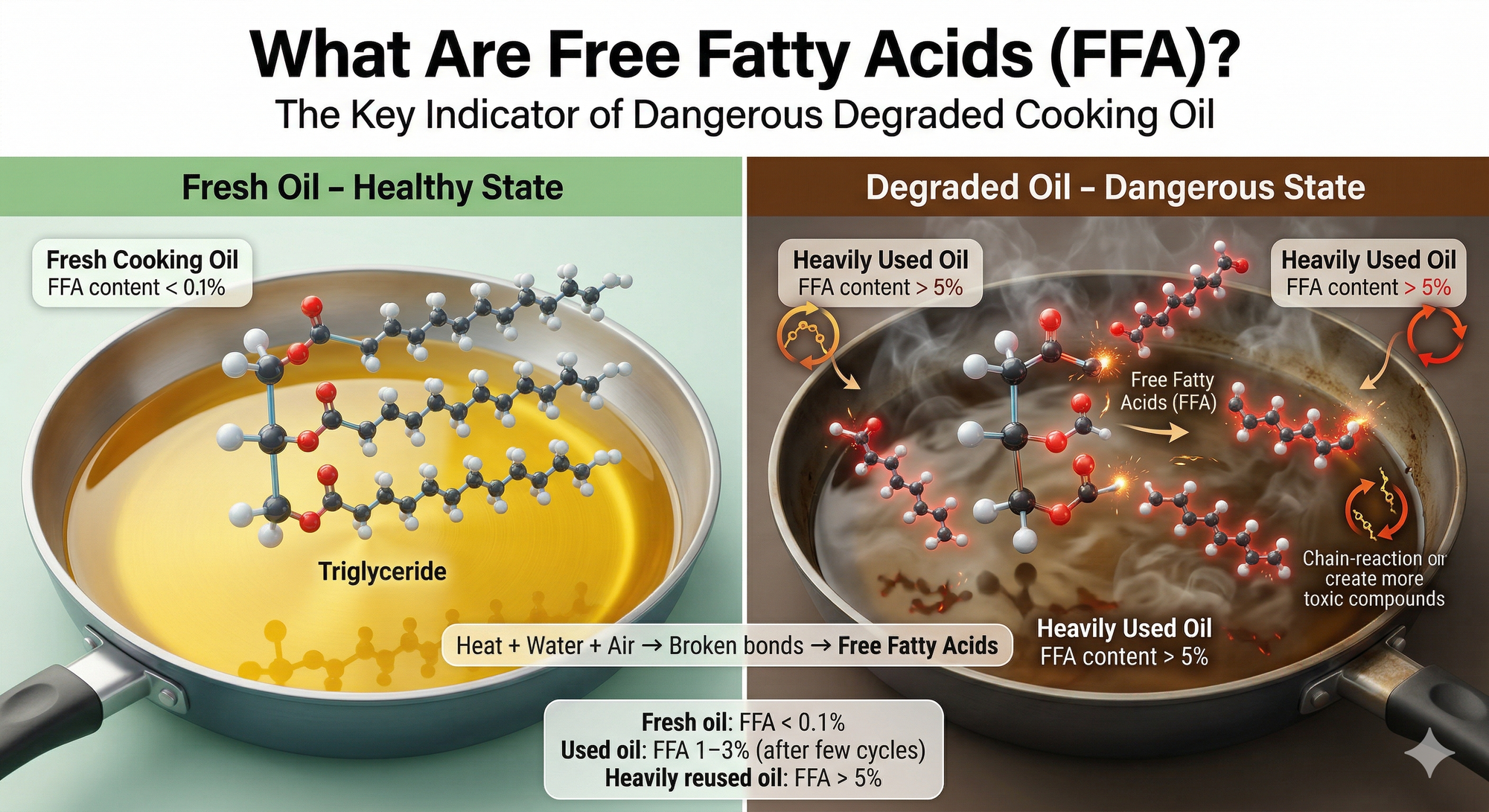
However, when oil is exposed to heat, water, and air during frying, the bonds holding triglycerides together begin to break. The individual fatty acids that split off are called free fatty acids (FFAs). Unlike the stable triglycerides they came from, FFAs are chemically reactive, unstable, and serve as the starting point for a chain reaction of further degradation.
FFAs are the single most reliable indicator of oil degradation. Fresh cooking oil typically has an FFA content below 0.1%. After just a few frying cycles, this can rise to 1–3%. In heavily reused oil — the kind commonly found in busy commercial kitchens — FFA levels can exceed 5% or more. The higher the FFA percentage, the more degraded the oil, and the more dangerous it becomes.
FFAs also accelerate the oil's own destruction. They act as a pro-oxidant, meaning they speed up oxidation and the formation of even more harmful secondary compounds. It becomes a vicious cycle: more frying creates more FFAs, which accelerate the creation of yet more toxic by-products.
03 How FFAs and Degraded Oil Harm the Human Body
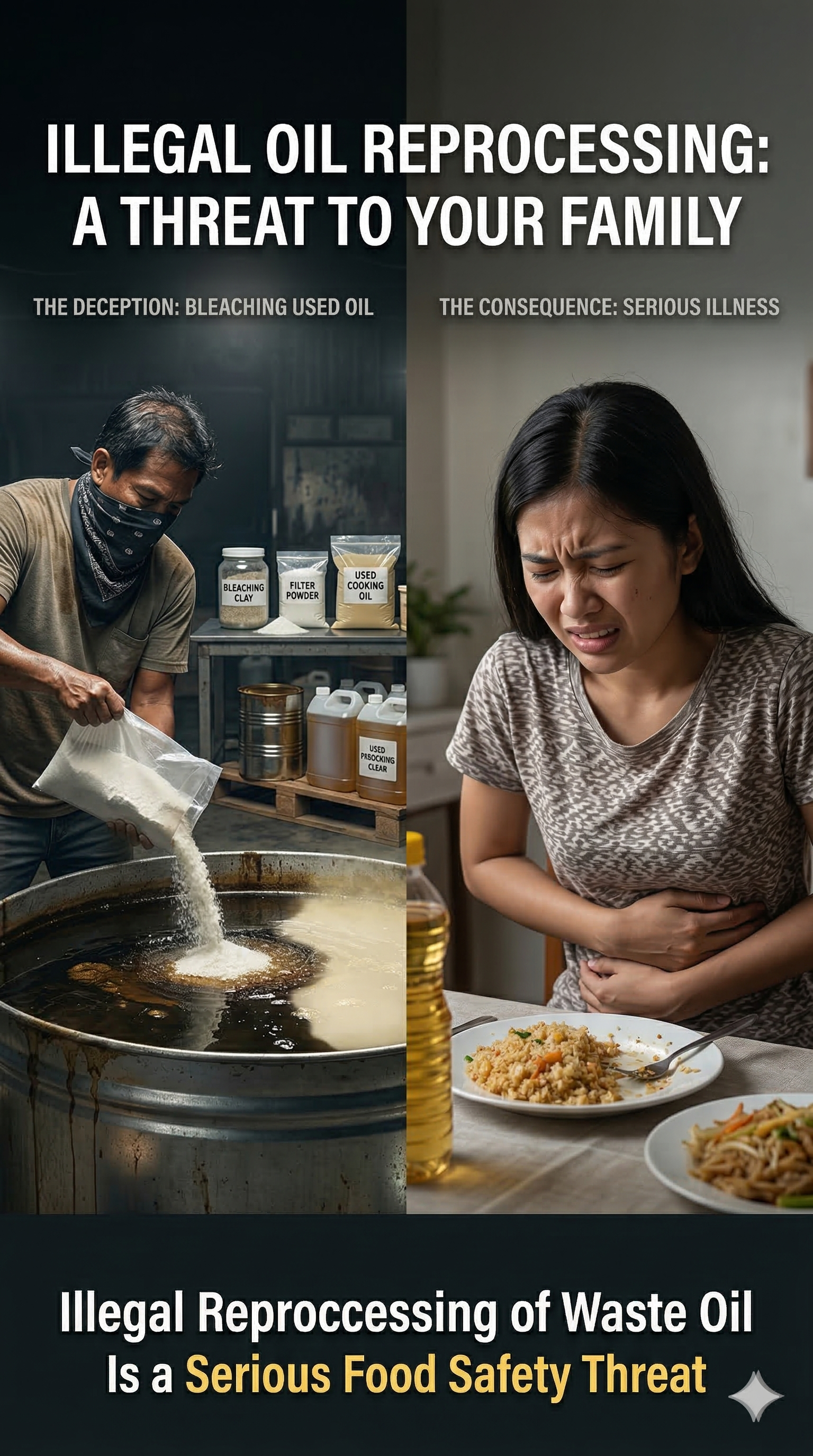
The health consequences of consuming food cooked in degraded, high-FFA oil are far more serious than most food business owners realize. Peer-reviewed medical research has identified a wide range of adverse health effects:
🔬 Medical Evidence
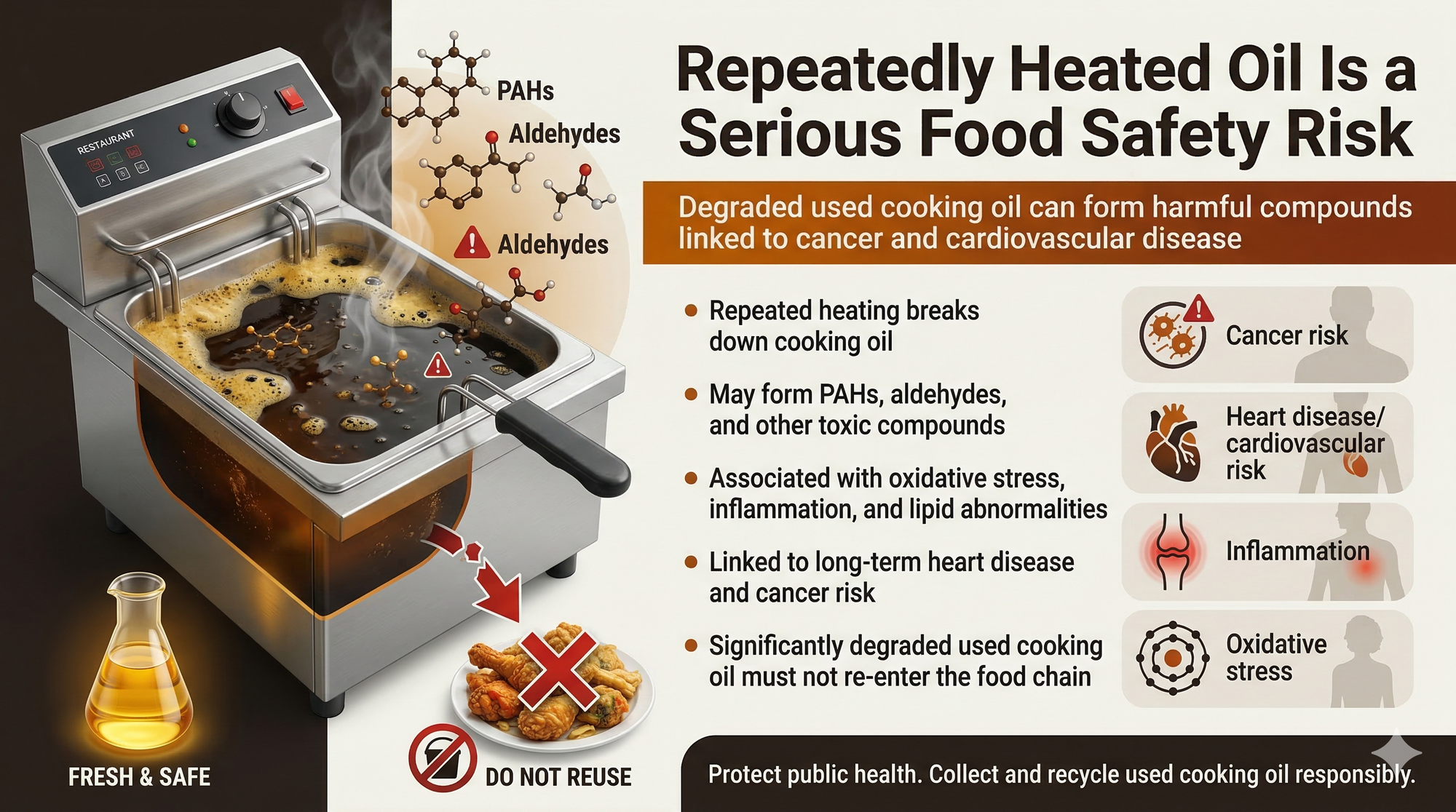
Cardiovascular Disease: Degraded frying oils generate trans fatty acids and toxic polar compounds that raise LDL ("bad") cholesterol while lowering HDL ("good") cholesterol. These changes promote atherosclerosis — the hardening and narrowing of arteries. Epidemiological studies have linked frequent fried food consumption to significantly higher risks of heart attack, stroke, and hypertension. Research has also shown that oxidized frying oil increases blood pressure and the concentration of angiotensin-converting enzyme (ACE) in the bloodstream, a direct contributor to hypertension.
Liver Damage & Fibrosis: Animal studies have demonstrated that consumption of repeatedly heated cooking oil causes increased cholesterol levels and liver cell damage. The polar compounds in degraded oil activate hepatic stellate cells, which are the key drivers of liver fibrosis — the scarring process that leads to cirrhosis and liver failure. Feeding repeatedly heated frying oil to experimental mice for just 14 days caused measurable liver damage.
Cancer Risk: Repeatedly heated cooking oils generate polycyclic aromatic hydrocarbons (PAHs), heterocyclic amines (HCAs), and acrylamide — all of which are classified as probable or known carcinogens. Research published in Critical Reviews in Food Science and Nutrition found that consumption of repeatedly heated oil and its fumes has been associated with increased incidence of lung, colorectal, breast, and prostate cancers. One landmark study demonstrated that thermally abused frying oil significantly increased metastatic lung tumor formation in breast cancer models.
Neurological Damage: A toxic aldehyde called 4-hydroxynonenal (HNE), generated from the peroxidation of polyunsaturated fats during frying, has been linked to the development of Alzheimer's disease and Parkinson's disease. HNE damages a critical stress-protection protein called Hsp70.1, impairing the brain's ability to clear damaged proteins — a hallmark of neurodegenerative disease.
Inflammation & Oxidative Stress: Aldehydes and other lipid oxidation products from degraded oil trigger systemic inflammation and oxidative stress throughout the body. These are underlying drivers of virtually all chronic diseases, including diabetes, metabolic syndrome, and immune dysfunction.
Reproductive & Developmental Harm: Studies have found that polar compounds from deep-fried oil can disrupt endocrine function, reduce estrogen receptor expression, and impair metabolic signaling pathways. Feeding oxidized frying oil to pregnant animal subjects has been shown to cause developmental abnormalities and disrupted vitamin A metabolism in offspring.
04 How High-FFA Used Cooking Oil Specifically Impacts Your Customers
When your customers eat food fried in degraded, high-FFA oil, they are not just eating "old oil." They are consuming a complex mixture of toxic compounds that have been absorbed directly into the food during frying. Research confirms that aldehydes, polar compounds, and trans fats readily migrate from frying oil into the food itself.
The human gastrointestinal system absorbs these lipid oxidation products into the bloodstream. Once in circulation, toxic aldehydes like malondialdehyde (MDA) and 4-hydroxynonenal (HNE) can accumulate in the liver, react with cellular proteins and DNA, and trigger the inflammatory and carcinogenic cascades described above. Studies have tracked these compounds from the stomach through the intestinal wall into the liver and beyond.
The people most vulnerable to these effects are those who eat fried food frequently — which in the Philippines describes a large portion of the working population that relies on carinderia, fast food chains, and street food vendors for daily meals. Children, the elderly, and individuals with pre-existing conditions like diabetes or liver disease are at even higher risk.
05 How Repeated Frying & Topping Up Destroys Food Quality
Beyond health risks, degraded oil directly ruins the quality of your food — and your customers can taste it, even if they don't know the chemistry behind it. Here's what happens:
Darker color: Food absorbs the darkened, polymerized compounds from old oil, giving fried items an unappetizing brown or blackened appearance instead of the golden crispness customers expect.
Off-flavors and rancid taste: The aldehydes, ketones, and free fatty acids in degraded oil impart bitter, stale, and rancid flavors to your food. The "diner's test" is brutal — one bad-tasting order can cost you a regular customer.
Greasy, soggy texture: As oil polymerizes and becomes viscous, it coats food more thickly and is absorbed in greater quantities. Food comes out of the fryer heavier, greasier, and soggier — the opposite of the light, crispy result your customers expect.
Excessive smoke and unpleasant kitchen environment: Degraded oil has a dramatically lower smoke point. Oil that originally smoked at 230°C may start smoking at 160°C or lower after heavy reuse. This fills your kitchen with acrid fumes (containing the carcinogen acrolein), creates an unpleasant environment for your staff, and is visible and off-putting to customers in open-kitchen setups.
Inconsistent cooking results: Degraded oil heats unevenly and transfers heat poorly. The same recipe, same timing, same temperature will produce different results every time — making quality control nearly impossible.
06 The Real Cost: Extended Frying Cycles vs. Short Cycles + Selling UCO
Most restaurant owners reuse oil to save money. But when you account for the full picture, the math tells a different story:
| Factor | ✗ Extended Reuse & Top-Up | ✓ Short Cycles + Sell UCO |
|---|---|---|
| Oil cost per cycle | Appears lower (reusing old oil) | Higher upfront (fresh oil more often) |
| Revenue from UCO | None — oil is eventually discarded | Competitive market price from Astra Sage offsets fresh oil cost |
| Food quality | Declining — darker, greasier, rancid taste | Consistently golden, crispy, great-tasting |
| Customer satisfaction | Complaints, negative reviews, lost repeat business | Higher satisfaction, positive reviews, repeat customers |
| Health risk to customers | High — toxic compounds accumulate with every cycle | Minimal — fresh oil, fewer harmful by-products |
| Legal & regulatory risk | Potential violations of RA 6969 and local ordinances | Full compliance — Astra Sage handles documentation |
| Kitchen environment | Heavy smoke, fumes, grease buildup | Cleaner air, safer workspace, less equipment wear |
| Brand reputation | Risk of being known for "maanghang na mantika" (rancid oil) | Known for fresh, quality food — a competitive edge |
The supposed "savings" from extended oil reuse are an illusion. You're not saving money — you're trading invisible costs in food quality, customer health, and business reputation for a marginal reduction in oil purchases. And you're leaving money on the table by not selling your UCO at competitive market prices.

07 Sell Your UCO to Astra Sage — At Competitive Market Price
Here's the part most restaurant owners don't know: your used cooking oil has real monetary value. It's not waste — it's a globally sought-after raw material for biodiesel, sustainable aviation fuel, renewable diesel, and dozens of other industrial applications.
Astra Sage Incorporation purchases UCO from restaurants and food businesses across the Philippines at competitive market prices. We pay based on volume and quality — the cleaner and better-stored your UCO, the higher the price. Our pricing is transparent, fair, and benchmarked to prevailing market rates so you always get a competitive deal.
Our collection process is hassle-free: we schedule regular pickups that fit your kitchen's rhythm, provide proper storage guidance, handle all DENR-required documentation and manifests, and ensure complete traceability so your oil goes strictly to industrial use — never back into the food chain.
💰 The Math That Matters
Think of it this way: every liter of UCO you sell to Astra Sage directly offsets the cost of your next fresh oil purchase. If you switch from extended frying cycles (8–10+ uses) to shorter, healthier cycles (2–3 uses) and sell the resulting UCO at market price, your net oil cost may be surprisingly close to what you're spending now — except your food will taste dramatically better, your customers will be healthier, and your kitchen will be cleaner and safer.
08 Offset Your Fresh Oil Costs — Every Liter Counts
Let's make this concrete. If your restaurant uses 20 liters of cooking oil per day and currently stretches each batch for a week or more, you're spending less on oil upfront — but you're producing lower-quality food with every passing day, and disposing of worthless, over-degraded oil at the end.
Now imagine switching to a 2–3 day frying cycle. Yes, you'll buy fresh oil more frequently. But now you have 20 liters of sellable UCO every 2–3 days — oil that still has commercial value because it hasn't been degraded beyond use. Astra Sage purchases that oil from you at competitive market price, putting real pesos back into your operating budget.
The revenue from selling UCO won't cover 100% of your fresh oil cost — but it meaningfully offsets it. And when you factor in the benefits of better food quality, happier customers, stronger reviews, and fewer health and regulatory risks, the return on investment is overwhelming.
09 Focus on Your Food — We'll Take Care of Your Waste
You didn't open a restaurant to manage hazardous waste. You opened it to serve great food and build a business you're proud of. That's exactly why Astra Sage exists.
Your job is to focus on the quality of your food and the reputation of your business. Our job is to take the waste problem off your hands — completely. We handle the collection logistics, the proper storage containers, the DENR-compliant documentation, the transportation, and the responsible channeling of your UCO to industrial export markets where it becomes biodiesel, sustainable aviation fuel, soap, lubricants, and other products that benefit the world.
When you partner with Astra Sage, you gain more than a UCO buyer. You gain a compliance partner that keeps you on the right side of Republic Act 6969. You gain a revenue stream that offsets your oil costs. You gain the peace of mind that comes from knowing your waste is handled ethically and will never return to the food chain. And most importantly, you gain the ability to serve your customers food that you can be genuinely proud of — cooked in fresh, clean oil, every single time.
🔄 The Astra Sage Cycle
Buy fresh oil → Cook great food → Sell your UCO to Astra Sage at competitive market price → Use the revenue to offset your next fresh oil purchase → Repeat.
It's a cleaner kitchen, better food, healthier customers, and smarter economics — all in one cycle.
Ready to Make the Switch?
Contact Astra Sage Incorporation today for a free consultation. We'll assess your oil usage, set up a collection schedule, and show you exactly how much your UCO is worth. Better food starts with better oil management.
Used Cooking Oil, FFA, Food Safety, Restaurant Tips, Philippines, Health